Building a product does not automatically give you a reliable way to reach the people who need it. With limited time and budget, choosing which customer acquisition channels to test is a go-to-market decision, not just a marketing task.
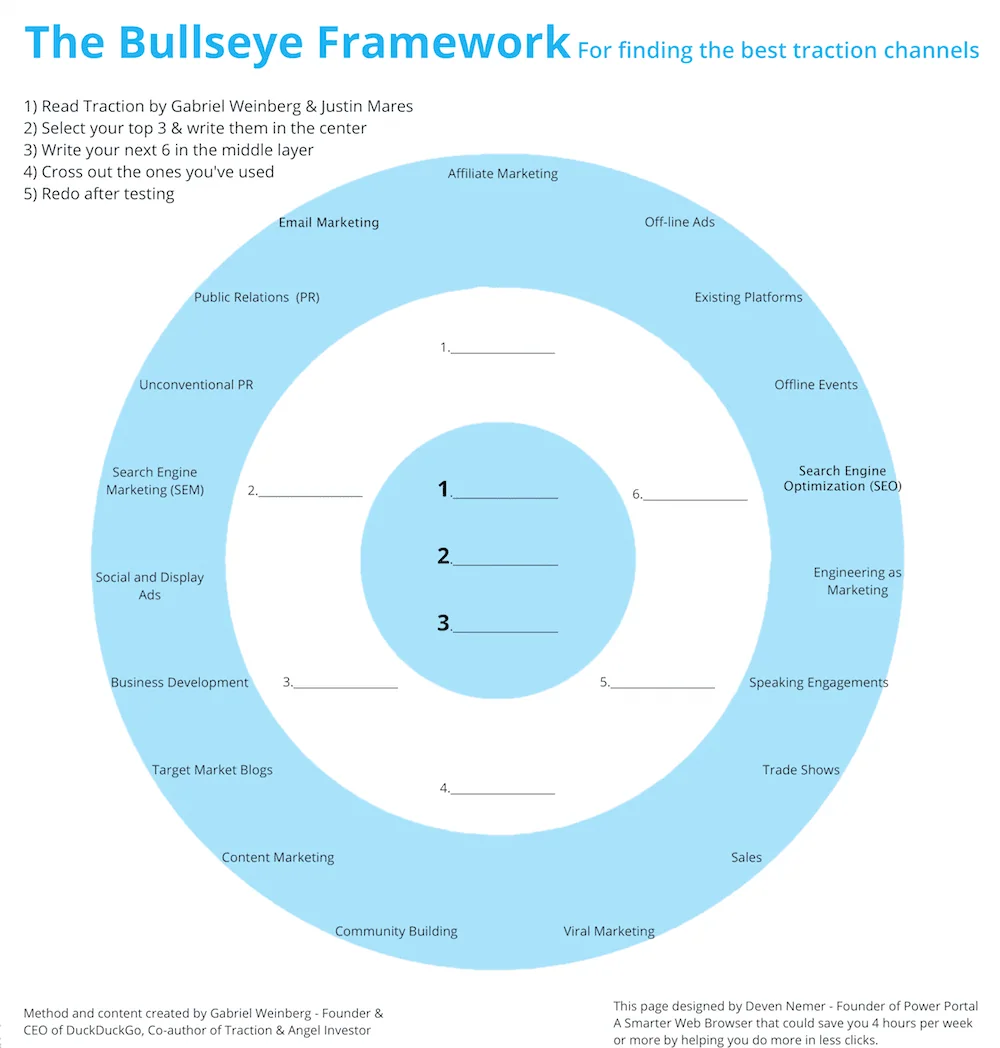
The Bullseye Framework, introduced by Gabriel Weinberg and Justin Mares in their book Traction, is a disciplined answer to that problem. It does not tell you which channel will win. It gives you a way to consider all of them, test a few cheaply and commit to what the evidence supports.
What a customer acquisition channel is (and is not)
A customer acquisition channel is a route through which new customers find and start using your product. Three words get mixed up constantly, and the confusion leads to bad decisions:
- Channel
- The route itself. Example: search engine marketing.
- Tactic
- A specific way of using it. Example: bidding on competitor-alternative keywords.
- Tool
- The platform, vendor or medium that runs it. Examples: Google Ads, a specific trade fair, a billboard network.
When a team says 'we tried LinkedIn and it didn't work', it usually tested one tactic, on one tool, for a few weeks. That is a data point about a tactic, not a verdict on a channel.
The 19 traction channels at a glance
- 01Viral marketing
- 02Public relations (PR)
- 03Unconventional PR
- 04Search engine marketing (SEM)
- 05Social and display ads
- 06Offline ads
- 07Search engine optimisation (SEO)
- 08Content marketing
- 09Email marketing
- 10Engineering as marketing
- 11Targeting blogs
- 12Business development
- 13Sales
- 14Affiliate programmes
- 15Existing platforms
- 16Trade shows
- 17Offline events
- 18Speaking engagements
- 19Community building
How to choose which channels to test
There is no universal ranking. The right shortlist depends on a few constraints you can name honestly:
- Stage. Before product-market fit, you need learning more than volume. Channels with fast feedback (founder-led sales, small paid tests, communities) beat slow compounding ones.
- Business model. What a customer is worth over time sets how much you can spend to acquire one. A low-priced self-serve tool cannot support a field sales team; an enterprise contract often needs one.
- Where buyers already are. Do they search for the problem? Read particular newsletters? Attend one annual event? Start there.
- Resources and skills. A technical team can ship free tools; a founder with an audience can lean on content and speaking. Money, time and talent are all budgets.
Distribution also cannot rescue a product people do not want. If users arrive but do not stay, that is a product problem first; I wrote about that distinction in the IZIRepair case study.
The Bullseye Framework, step by step
Traction describes three steps, one per ring. Below, the middle step is unpacked into the practical actions it involves.
- Outer ring: brainstorm across all 19Write at least one realistic idea for every channel, including the ones you think are irrelevant. The point is to escape the two or three channels your team already likes.
- Middle ring: test the promising channelsIn practice: sort channels into promising, possible and unlikely, pick the three to six most promising, and test them in parallel with small budgets and short time windows. You are answering three questions: what does a customer cost here, how many are reachable, and are they the right ones?
- Inner ring: focus on what worksPut your effort into the one channel that showed real promise and keep optimising it until it plateaus. Then repeat the process.
An earlier version of this guide was published on AskCory.
The 19 channels, with examples and first tests
Examples are illustrative: they show what each channel looks like in practice, not a promise that the same move will work for you.
Growth that comes from existing users bringing in new ones, by design rather than luck. The mechanic matters more than the message: an invite, a shared artefact, a two-sided reward.
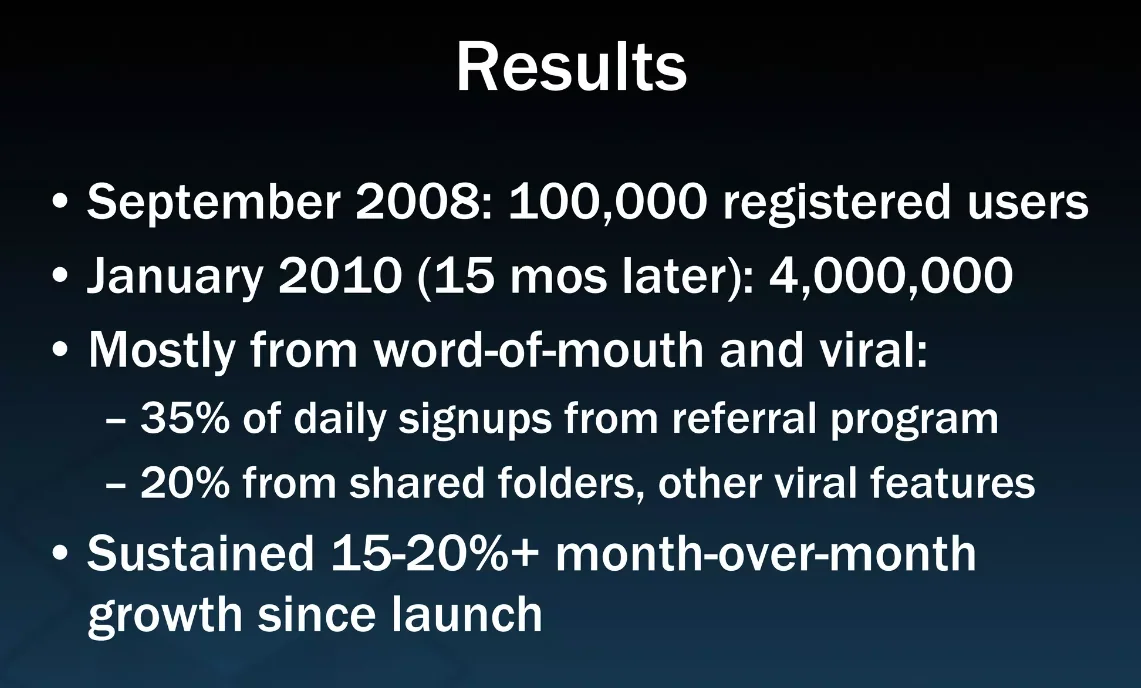
B2B/SaaS: In B2B, the natural loop is usually collaboration: inviting a teammate, sharing a report with a client.
Earning coverage in media your customers already trust. It works when you have genuine news, and journalists are short on time, so the story has to be obvious.
B2B/SaaS: Trade press and industry newsletters usually beat national media for B2B pipeline.
Stunts and gestures memorable enough that people talk about them. Higher variance than classic PR: it can do nothing, or it can travel far for very little money.

B2B/SaaS: In B2B, generosity often works better than shock: a free audit, a public teardown, a useful giveaway.
SEM involves paid advertising on search engines. In the Bullseye Framework, marketers are urged to test and optimize their SEM campaigns to identify the most effective keywords and ad placements.
B2B/SaaS: If nobody searches for your category yet, SEM will mostly tell you that, quickly and cheaply.
Paid placements in feeds and on websites, targeted by audience rather than by search intent. Good for creating demand and retargeting; the creative does most of the work.

B2B/SaaS: LinkedIn is expensive but precise for job-title targeting; use it to test messages, not to scale blindly.
Billboards, print, radio, transit. Hard to attribute, but sometimes the cheapest way to own a very specific physical audience.
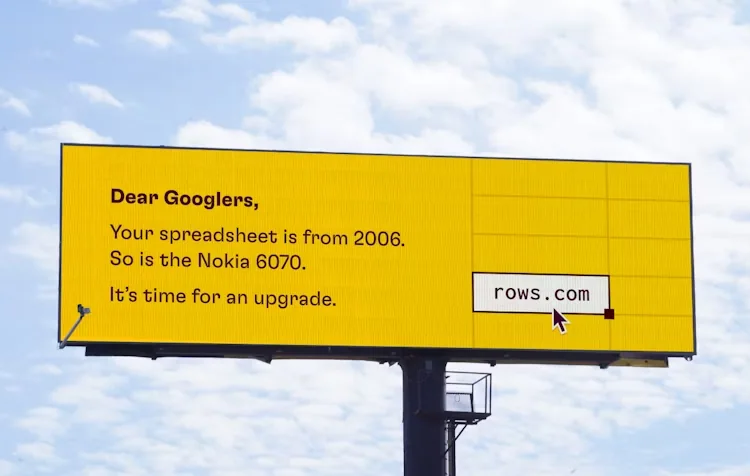
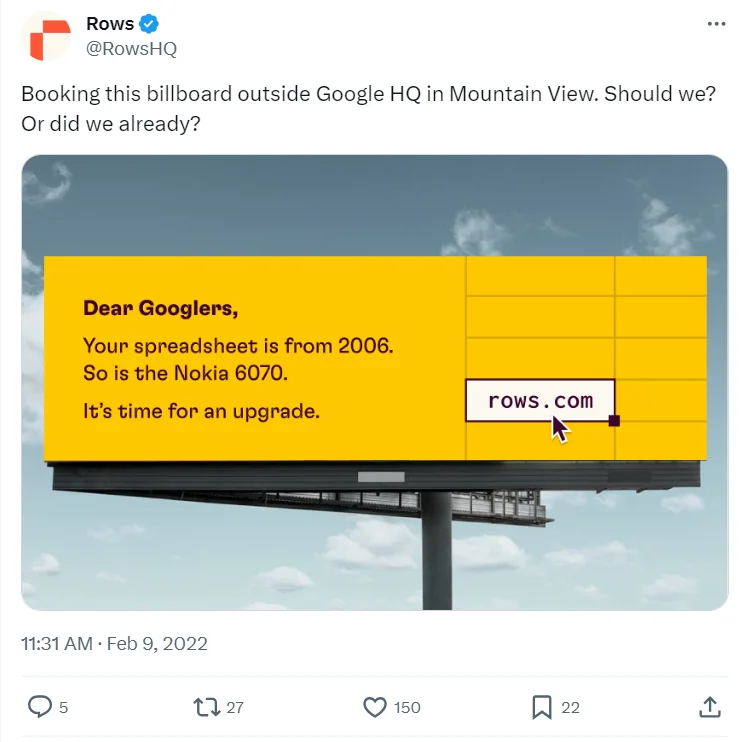
B2B/SaaS: Works best when the placement itself is part of the message, as in the Rows case.
Earning organic visibility for the questions your customers ask. Slow to start and compounding when it works, but no one can promise rankings or traffic in advance.
B2B/SaaS: Comparison, alternative and integration pages tend to carry the highest buying intent in SaaS.
Building an audience through useful material: articles, guides, templates, newsletters. Distinct from SEO: the goal is trust and an audience you can return to, not only search traffic.
B2B/SaaS: Founder-written, specific content outperforms generic thought leadership in early-stage B2B.
Turning people who gave you permission to contact them into first-time customers. The list is the asset; the sequence helps turn interest into a first purchase. It also drives retention, but here the job is the first purchase.
Example source: SegMetrics — How EOFire’s Free Email Courses Actually Drive Revenue.
B2B/SaaS: Cold outbound is a different practice with its own legal rules; treat it under Sales, not here.
For a local business: The same logic works with a maintenance guide offered to people who opt in to receive it and follow-up emails, followed by a short sequence inviting a first booking.
Building free tools, calculators or widgets that solve a small problem for your audience and lead naturally to your product.
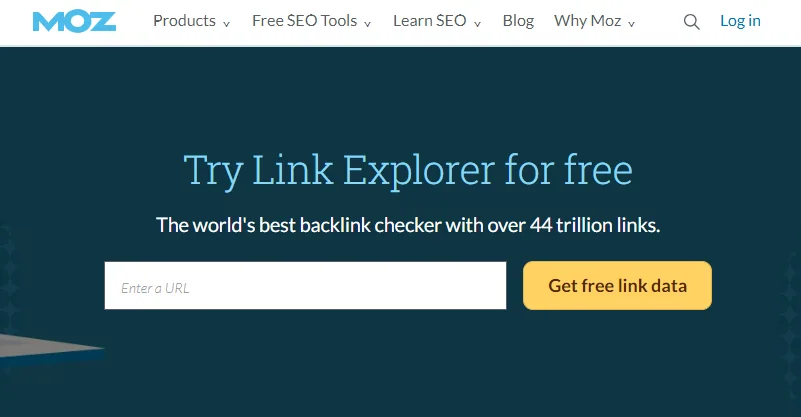
B2B/SaaS: A strong fit for technical founders: it turns engineering capacity into distribution.
Getting featured, reviewed or published on the blogs, newsletters and podcasts your niche already follows.
B2B/SaaS: Small, focused newsletters often convert better than large general ones.
Partnerships where another company's distribution and yours benefit each other. Unlike sales, you are not selling to the partner; you are building something together.
Example source: PayPal — Wikipedia.
B2B/SaaS: Integration marketplaces are often the most accessible first partnership for SaaS.
People directly finding, qualifying and closing customers. Expensive per deal, which is why it fits higher contract values and complex buying processes.
B2B/SaaS: Founder-led sales first; hire a salesperson only once you can describe a repeatable process.
Paying partners a commission for customers they refer. You pay for outcomes, but you also hand part of your message to people you do not control.
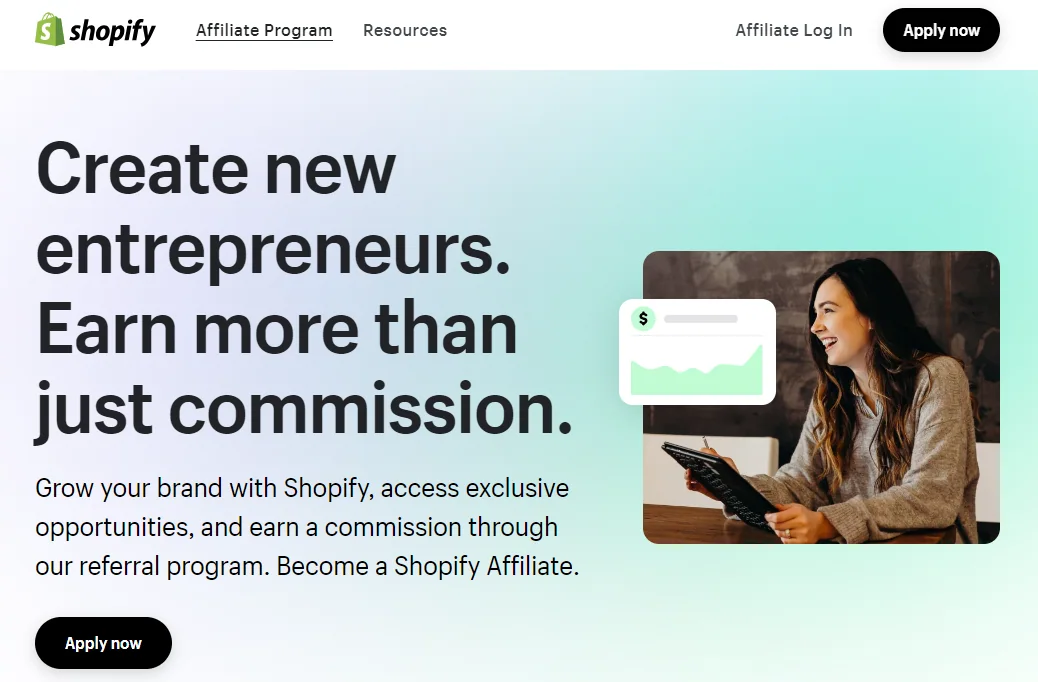
B2B/SaaS: Agencies and consultants are the natural affiliates for most B2B tools.
Growing on top of platforms with large audiences: app stores, marketplaces, browser extension stores, communities. Fast, but you are renting someone else's ground and rules.
B2B/SaaS: Slack, HubSpot, Shopify and similar app directories are where many SaaS buyers look for add-ons.
Exhibiting where an industry gathers to buy. Costly in money and time, but it compresses many buyer conversations into a few days.

B2B/SaaS: The value is often in pre-booked meetings, not booth traffic.
Hosting your own events, from dinners to meetups to pop-ups. You control the room and the guest list.
B2B/SaaS: Executive roundtables suit high-value B2B deals well.
Speaking at conferences, podcasts and webinars to build credibility with a room of potential customers.
Creating a space where customers connect with each other, not only with you. Slow and demanding, and very hard for competitors to copy.
B2B/SaaS: Peer communities of practitioners (not product forums) tend to last longer.
Notes for B2B and SaaS teams
- Match the channel to contract value. Sales, events and trade shows need larger deals to pay back; SEO, content, integrations and product-led loops suit lower prices.
- Account for the buying committee. A sign-up is not a customer when three people must approve the purchase.
- Expect long cycles. A channel tested for four weeks in a 90-day sales cycle will look worse than it is; judge leading indicators such as qualified meetings.
- Your conversion path matters as much as the channel. Traffic sent to a vague homepage wastes the test; a focused landing page per test keeps results readable.
For the wider picture of positioning and go-to-market, see product strategy and GTM.
Designing your first channel experiment
Write the test down before you start. A simple template:
- Hypothesis
- Operations leads at 50 to 200 person logistics firms will book a demo from a LinkedIn ad about manual scheduling errors.
- Budget cap
- A fixed amount you can afford to lose entirely.
- Time cap
- Two to four weeks, longer only if the sales cycle demands it.
- Qualified outcome
- Define it narrowly: a demo with someone matching your customer profile, not a click or an email address.
- Continue if
- Cost per qualified outcome is within what your unit economics can bear, with room to improve.
- Stop if
- The cap is reached with no qualified outcomes, or the people arriving are clearly the wrong fit.
Bonus: Red Bull Stratos, beyond a single channel
Red Bull Stratos brought together a sponsored live event, unconventional PR and video distribution around Felix Baumgartner's jump. It is not a twentieth traction channel: it shows how one idea can travel through several channels.
The useful lesson for a smaller team is not to copy the scale or the risk, but to design an idea with a clear audience, a reason for people to share it and a distribution plan.
Conclusion
The value of the Bullseye Framework is less in the list than in the habit: consider everything, test small, and commit to evidence instead of preference. Revisit the outer ring every time growth from your main channel flattens.
Originally published on AskCory; revised and expanded for this website. Original article.