A landing page is a go-to-market decision before it is a design project.
The most effective pages do not begin with layout. They begin with clarity about the problem, the audience, the value proposition and the action we want to make easier. I have used landing pages as tools for positioning, validation and growth across products, startups and digital projects.
The strategic work happens before the page
A significant part of conversion work is not visible in the final page. It happens in the decisions made before writing starts: who this is for, what problem it addresses, how the offer is positioned, and what evidence exists. Skipping this work and going straight to design produces pages that look fine but do not convert.
- 01
Define the ideal customer — who exactly is this page for, and who is it not for?
- 02
Understand the job or problem — what is the visitor trying to accomplish or resolve?
- 03
Choose the positioning — how does this offer relate to what the visitor already knows and trusts?
- 04
Clarify the promise — what specific outcome does the page commit to making more likely?
- 05
Identify the relevant proof — what evidence exists, and how close can it be placed to the claim it supports?
- 06
Decide the next action — what is the one thing the visitor should do, and what removes friction from doing it?
- 07
Determine how success will be measured — which events, rates, or signals will tell you whether the page is working?
Six practical principles
These apply whether you are building a product launch page, a service page, or a content-led authority piece.
One clear audience
The page must earn the attention of one specific type of person. Trying to speak to everyone produces copy that resonates with no one. Defining the audience is not a constraint — it is what makes everything else on the page legible.
One intelligible promise
The value proposition must be specific enough to be meaningful. "Better, faster, smarter" describes nothing. A useful promise names the outcome and implies the mechanism without claiming more than it can honestly deliver.
A hierarchy that supports scanning
Most visitors scan before they commit to reading. A page that requires careful reading to be understood has already failed most of the people who land on it. Visual and informational structure carries meaning before words do.
Evidence close to the relevant claim
Every significant claim should be followed immediately by the evidence that supports it. Placing all social proof at the bottom is an architectural mistake — it separates the claim from the reason to believe it.
Low-friction next steps
The action you want visitors to take should be the path of least resistance. Remove fields, steps, and decisions that do not add qualification value. Friction is sometimes intentional; make sure it is.
Measurement and iteration
A page not connected to measurement is a permanent guess. Which events fire? What is the conversion rate? What is being tested next? Without answers to those questions there is no basis for improvement — only opinion.
Applied examples
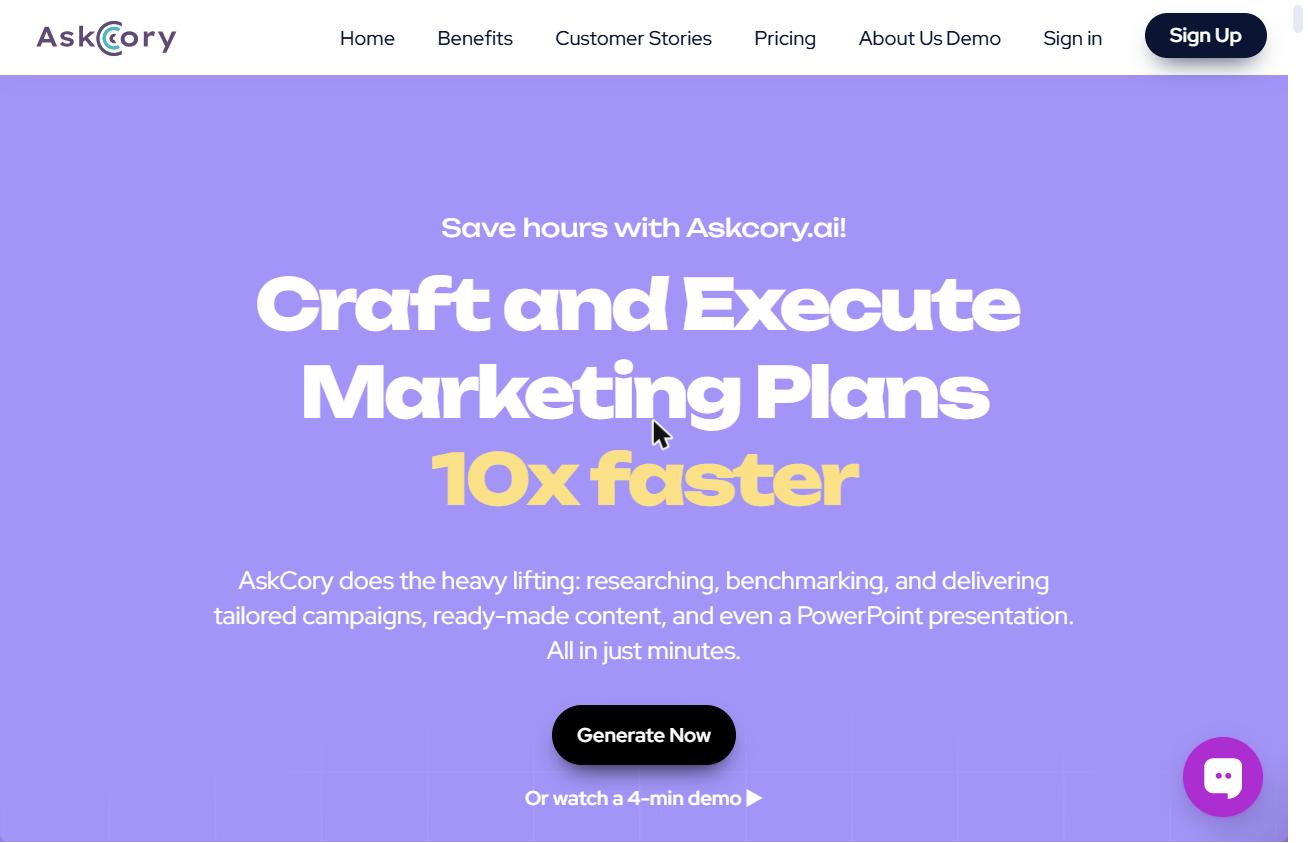
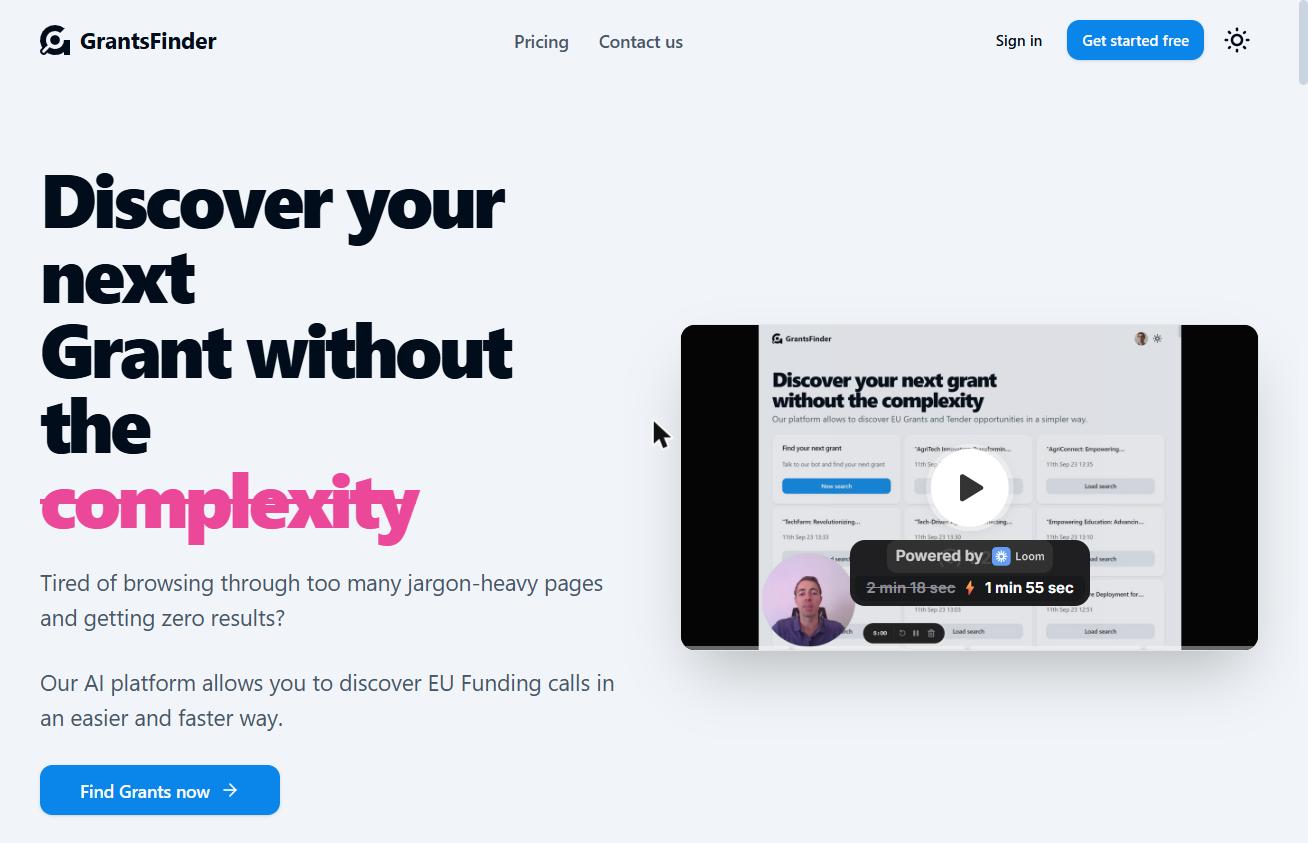
Three projects where positioning and page decisions were made together, not in sequence.
Gracielle Cardoso
Supporting experimentA hands-on experiment: building a website for an aesthetic services business, testing positioning, local search, and lead capture in a real service context. This was a supporting project, not a venture Vítor led as CEO.
For local service businesses, geographic clarity in positioning precedes every other decision. A specific promise in the right context outperforms a general promise in a wide one.
Read the case study →Search, discoverability and AI systems
Solid SEO fundamentals remain the foundation of discoverability: a crawlable and prerendered site, clear information architecture, accurate metadata, and original content that is genuinely useful to the people searching for it. These have not changed, and optimising for them still compounds over time.
Semantic HTML and accurate structured data can help search engines and AI systems understand the content of a page beyond its raw text. Using schema that accurately describes what a page contains — an article, a person, a product — is useful where it applies. Using schema that does not match the content is counterproductive.
Some AI search systems crawl the open web and surface content in generated responses. Whether a specific page appears in a generative experience depends on many factors that no single file or markup choice controls. Allowing relevant AI crawlers, maintaining a clear robots.txt, and publishing an llms.txt file are reasonable signals — they communicate intent and structure to systems that read them. They are not a formula for guaranteed citation.
Neither rankings nor AI citations can be guaranteed by technical configuration alone. What can be controlled is whether the content is crawlable, accurate, well-structured, and useful enough that systems which do surface it are representing it correctly.
A checklist worth keeping
Apply this to any page before and after launch. It covers positioning, structure, evidence, discoverability and measurement.
Can a first-time visitor identify who the page is for?
Is the problem recognisable in the visitor's own language?
Is the promise specific without becoming an unsupported guarantee?
Is the main action obvious?
Does every major claim have nearby evidence?
Can the page be scanned without reading every paragraph?
Are analytics and conversion events configured?
Is the page technically crawlable and prerendered?
Are metadata, canonical URLs, hreflang and structured data accurate?
Is the page being improved using evidence rather than personal preference?
Do you need to improve the decision behind the page?
I help founders and teams clarify positioning, value propositions, validation and go-to-market through mentorship, selective advisory and practical sessions.
You can also explore case studies, product strategy and GTM, or learn about guest lectures and teaching.